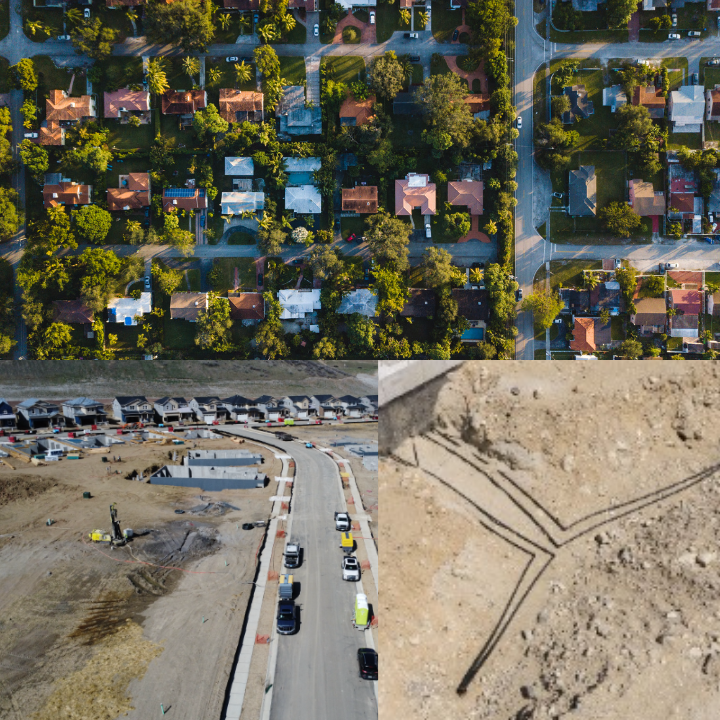
Join Builders & Homeowners Making the Move to Geothermal








"Geo" + "Thermal" = Heat from the Earth
What is geothermal?
Geothermal is the gold standard in home heating and cooling. It replaces the furnace and AC with a single, ultra-efficient system that draws on the one energy source every lot already has: the ground beneath it.
The ground-sourced heat pump circulates water through a buried loop to move heat between the home and the earth's constant underground temperature, delivering efficient heating and cooling from a single all-electric system.
How it works
Geothermal taps into the earth's steady 55°F temperature to keep your home comfortable year-round.

Water circulates through the ground loop, where it’s warmed up by the earth. The warmed water flows back into the geothermal heat pump, which concentrates the heat and distributes it throughout your house. The water returns to the earth to repeat the process.

Warm air from the home is drawn into the geothermal heat pump. The heat is extracted and pumped into the ground loop, where it is cooled by the earth. The now cool air is blown back through the house.
Building with geothermal
- Sell homes faster Differentiate your homes beyond price and incentives. Geothermal offers superior comfort, better air quality, and lower energy bills, all packed in a sustainable, earth-friendly solution.
- Reduce build costs Builder margins are always in focus. Geothermal helps you access incentives and avoid gas infrastructure costs, meaning you get a premium system in your homes at a lower cost to build.
- Design with freedom (without condensers) Geothermal systems live underground without bulky, noisy outdoor condensers. Avoid the design headaches, and free up patio space on patios, rooftops, and exterior walls.
- Expedite approvals Geothermal eliminates gas infrastructure, lowers peak load, and meets electrification and green-building standards. This combination helps to win city approvals and avoid the typical delays builders face.
- Future-proof It’s all-electric, remarkably efficient, and immune to volatile fuel prices, tightening emissions codes, and gas phase-outs—built ground loops that last the lifetime of the home.
About the system
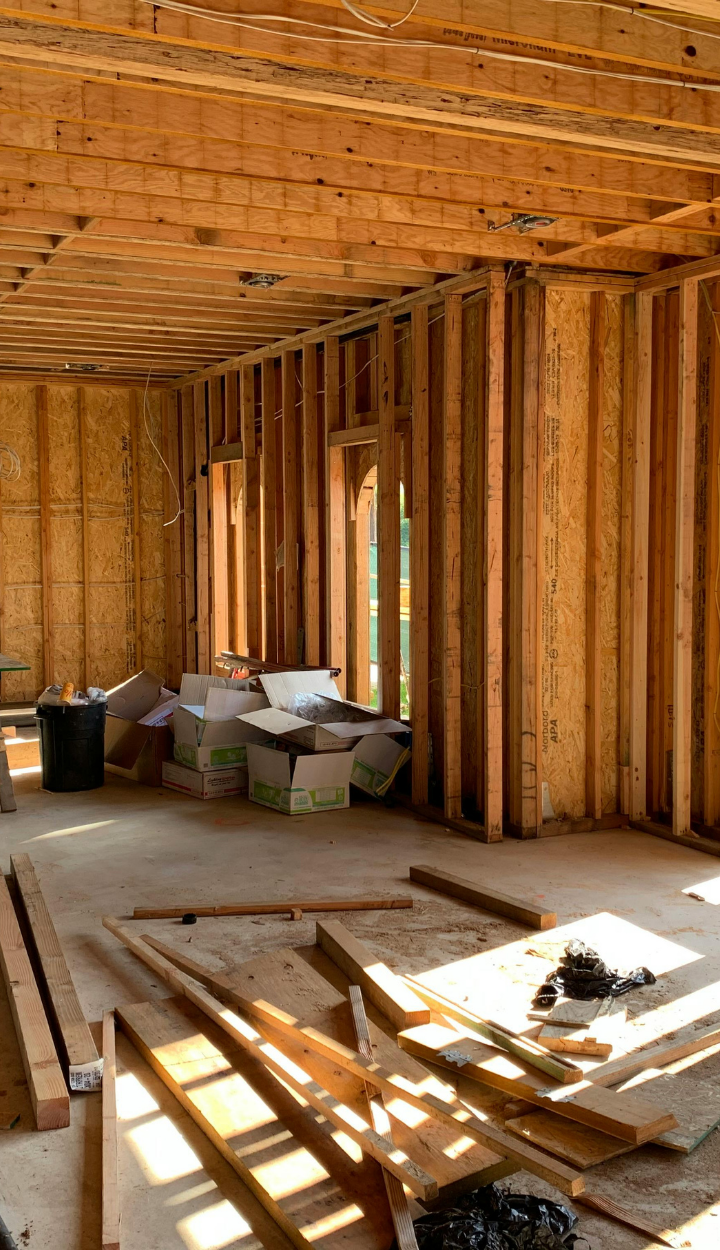
Delivering efficient heating and cooling from a single all-electric system
Ground Loop
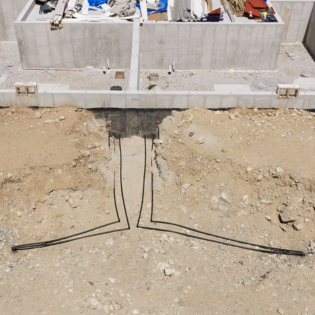
200-500 linear ft. - The underground ground loops (filled with fluid) absorbs heat from the earth in winter and extracts it from the home in summer, making it the core component of the geothermal system. It is maintenance-free and built to last 50+ years.
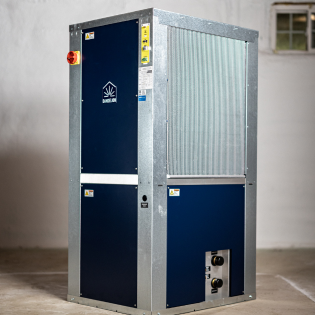
Heat Pump
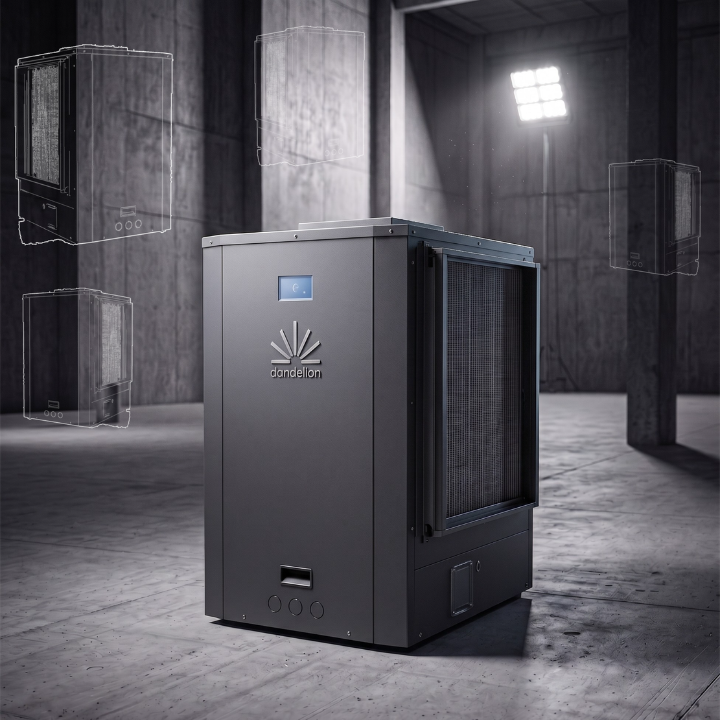
The heat pump uses heat exchangers and a compressor to convert the ground loop’s heat into usable energy. It requires minimal maintenance—just replacing air filters every 3-6 months—and typically lasts 20-25 years, which is 2x longer than standard HVAC systems.
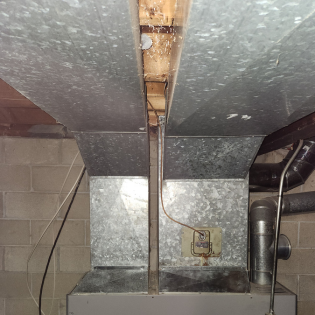
Distribution System
The distribution system uses the heat exchanger to transfer the geothermal system’s heat from the refrigerant which is then circulated through ductwork in the home.